




As both a teacher and a mom, I’ve seen education from both sides of the classroom. I know the exhaustion of staying up late planning lessons, responding to frustrated parents, trying to meet administration expectations, and competing with the social media and AI-driven world that so many students are consumed by. At the same time, I also know what it feels like to be the anxious parent wondering if your child is being understood, supported, and safe at school. One thing I’ve learned from both perspectives is this: teacher burnout doesn’t just affect teachers; it affects every child in the classroom.
A Support-ed Teacher Is a Support-ive Teacher
Teachers do their best work when they feel trusted, respected, and supported. That support should come from administration and coworkers, but honestly, it matters just as much from the parents of their students.
Kids thrive when the adults in their lives work together. A teacher who feels supported can spend more energy building relationships, solving problems, and helping students succeed instead of constantly feeling like they have to be on the defensive.
Supporting teachers doesn’t mean ignoring concerns or staying quiet when advocacy is needed. It means remembering that partnership works better than division. Are there teachers who probably shouldn’t still be in the classroom? Of course. Most of us can remember at least one from our own school days. But it’s important not to look at every teacher through that lens. Most teachers show up every day doing their best.
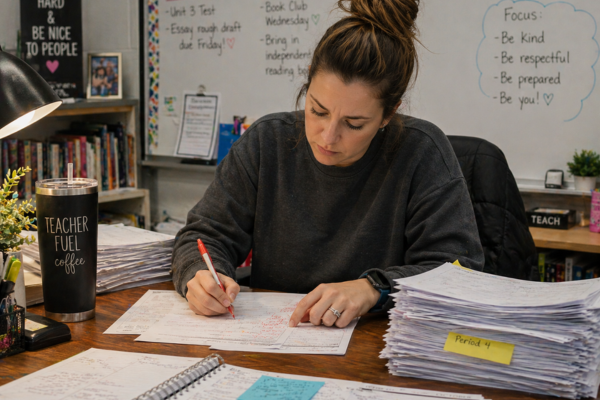
Teacher Burnout Doesn’t Help Anyone
Teaching is emotionally demanding in ways people often do not see. We are teaching in a time where TikTok trends encourage students to vandalize bathrooms and even steal from our classrooms. Active shooter drills are now considered normal. When I became a teacher, I never imagined I would need yearly training on how to lock down my classroom, protect my students, and prepare for the unthinkable.
This work goes far beyond lesson plans and grading papers. As a teacher I always had a drawer with deodorant spray, extra pads, breakfast snacks, and phone chargers. Sometimes students needed basic necessities just to get through the day comfortably and without embarrassment.
Teachers are helping students regulate big emotions, managing behavior, filling academic gaps, handling parent communication, and carrying the emotional weight of knowing that for some children, school feels safer than home. Teacher burnout is real, and when teachers are running on empty, the classroom feels it. Sometimes what teachers need most is not criticism – it’s grace.
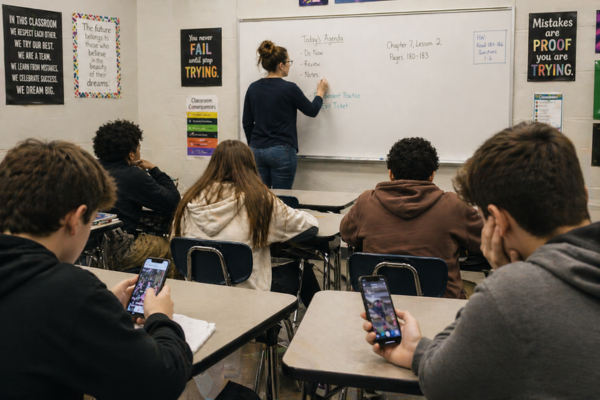
Teachers Are People Too
It’s easy to forget that teachers are human first. Just like you they have hard days, get overwhelmed, and are carrying struggles outside their job. They are parents, caregivers, spouses, and worry about their students long after dismissal.
As parents, especially when advocating for our children, emotions can run high: I have sat through my son’s IEP meetings to know that personally. But I also know how powerful simple kindness can be.
Respectful communication can completely change the relationship between home and school. Asking questions instead of assuming, sharing concerns early, and approaching conversations with the goal of solving (not blaming) makes a huge difference.
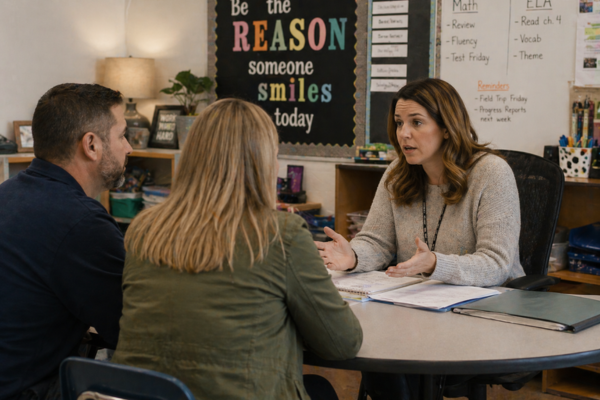
At the end of the day, parents and teachers usually want the same thing. They want their children to feel safe, supported, and successful. When we support teachers, we help lessen teacher burnout and create better classrooms for every child inside them.