






When summer arrives, many families look forward to slower mornings, pool days, vacations, and a break from the school routine. But for our family, summer can bring a unique set of challenges. Summer for my autistic son can sometimes feel overwhelming and confusing. The structure of the school year suddenly disappears. Favorite teachers and therapists may be on vacation. Travel and changes in routine can create stress instead of excitement. And while social media is filled with picture-perfect summer adventures, many parents are simply trying to make it through the day while keeping everyone regulated. That’s why I’ve gathered some summer survival tips for families with special needs to help make the season a bit easier for neurodivergent families like ours.
After several summers of parenting an autistic child, I’ve learned that survival doesn’t require a color-coded schedule or expensive camps. It requires flexibility, realistic expectations, and a few strategies that help our family enjoy the season without feeling overwhelmed.
Keep Some Structure
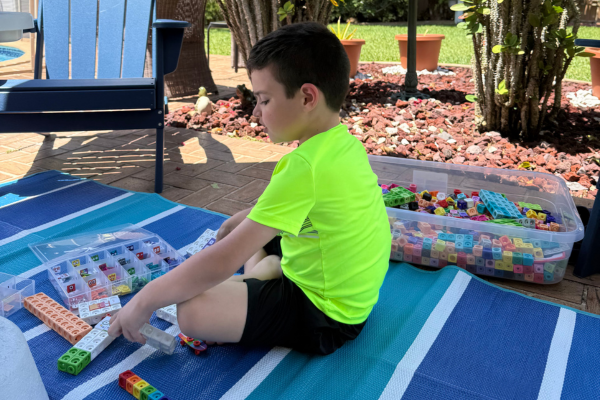
One of the biggest mistakes I made early on was assuming that summer meant abandoning all routines. While it’s wonderful to relax some rules, many neurodivergent children thrive when they know what to expect. I try to keep a predictable wake-up time, regular meals, and a general rhythm to our days. The activities may change, but the framework stays familiar.
I also created a simple visual schedule to help my son feel grounded and prepared for the day ahead. With Miami’s unpredictable weather, I keep both a “rainy day” and “sunny day” schedule, adjusting activities while maintaining the same routine.
Don’t Overschedule & Leave Room for Sensory Breaks
One of the biggest pressures of summer is feeling like we need to fill every day with exciting activities. Over the years, I’ve learned that one planned activity a day is often enough. All kids need time to decompress, play freely, and simply be kids. Downtime isn’t wasted time.
Leaving room in the schedule also allows for much-needed sensory breaks. I quickly realized that my son needs dedicated time to relax and recharge in his own way. For our family, that often means keeping outings to the morning or early afternoon because by 1:00 or 2:00 p.m., he’s ready for a break in a familiar environment.
Making space for those moments helps not only my son enjoy our adventures more, but the rest of our family as well. Sometimes the best thing to plan is a day at home between busy outings—a chance for everyone to reset, recharge, and enjoy their own space.
Embrace Simple Fun and Let Go of Social Media Expectations
It’s easy to scroll through social media and feel like everyone else is having a picture-perfect summer filled with elaborate crafts, expensive vacations, and nonstop adventures. The reality is that most families, neurodivergent families included, are navigating challenges behind the scenes, and summer doesn’t have to look Instagram-worthy to be meaningful.
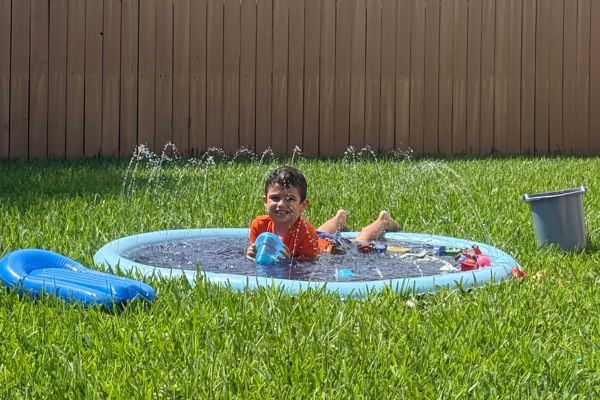
Some of our favorite summer memories haven’t come from big trips or carefully planned activities. They’ve come from simple moments: running through sprinklers, visiting a splash pad, digging through sensory bins, or exploring our own backyard. Like many children, my son finds the most joy in activities that allow him to play at his own pace.
Give yourself permission to let go of unrealistic expectations and focus on what works best for your family. Summer fun doesn’t have to be complicated to be memorable.
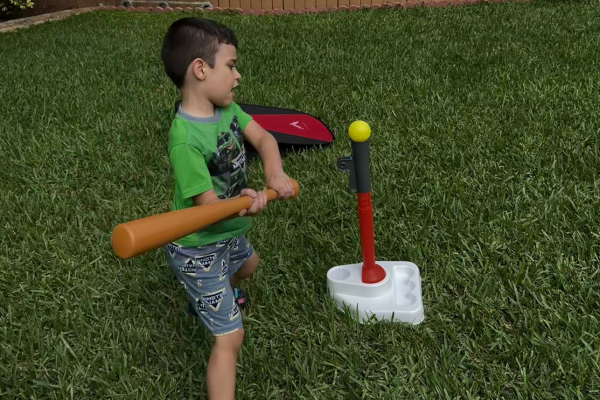
If there’s one thing I’ve learned, it’s that successful summers aren’t measured by how many trips we take or activities we plan. They’re measured by the moments when our children feel safe, supported, and free to be themselves.
Summer doesn’t have to be perfect to be meaningful. As special needs parents, we’re doing our best to create memories while meeting our children’s unique needs. And sometimes, the most memorable moments happen during the simplest days of all.