






When I first stepped into homeschooling, I thought I had a pretty good idea of what I was doing. I’ve spent over 15 years as a teacher in the classroom. I know how to plan lessons, manage a schedule, and support students. But homeschooling my neurodivergent child? That humbled me quickly.
Because what works in a classroom doesn’t always work at home. And what may work for many kids didn’t always work for mine. So we’ve had to figure it out through trial, error, and a whole lot of grace.
What’s Worked
1. Letting Go of a Strict Schedule
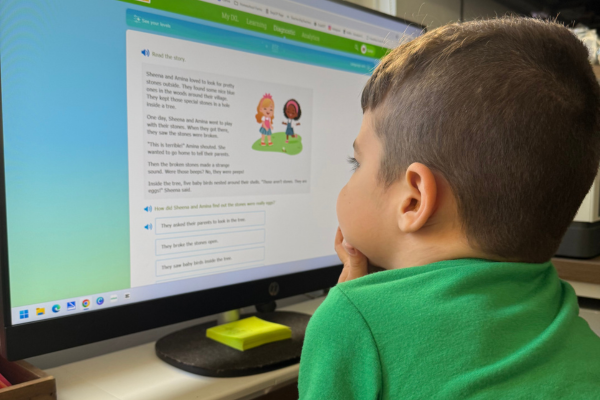
One of the first things I had to release was the idea of a rigid daily schedule. At first, I tried to recreate the structure I was used to: time blocks, transitions, a clear start and end. It didn’t work. It led to frustration and burnout for both of us. What has worked is shifting to a rhythm instead of a schedule. Some days we start early. Some days we take it slow. When I stopped forcing the timeline, I started seeing more engagement and growth.
2. Regulation Before Academics
This has been the biggest mindset shift. If my child is overwhelmed, dysregulated, or sensory overloaded, learning just isn’t going to happen. I have learned to prioritize breaks, movement, and being in tune to when he is reaching his max. I’ve had to learn to stop comparing, stop rushing and stop measuring progress by traditional standards. Growth still happens. It just doesn’t always look the way I expected it to.
3. Prioritizing Life Skills
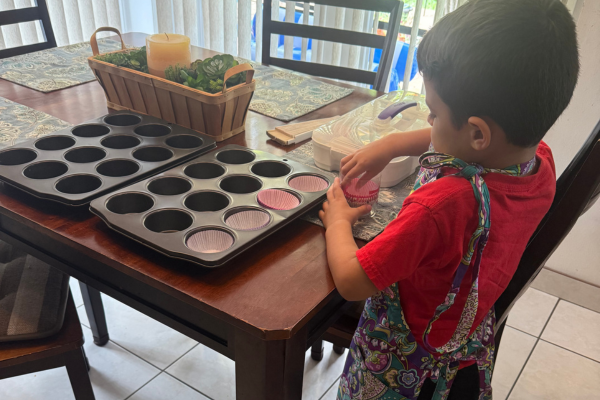
One of the biggest shifts in our homeschooling has been realizing that learning isn’t just academic, it’s life. I’ve made it a priority to intentionally teach everyday skills like cooking simple meals, practicing hygiene routines, and helping with home care. These moments might not look like traditional “school,” but they are just as important—if not more.
4. Using Supports Without Guilt
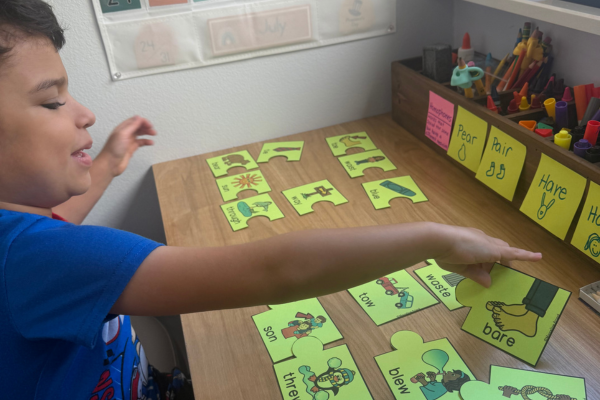
We use supports every single day and I no longer see them as a crutch. These tools can look different each day. We have had an audio story playing while doing handwriting practice. We have purchased caterpillars to learn the life cycle of a butterfly instead of reading about it. We have taken class outside and marched around the backyard to math multiples. These supports and accommodations don’t distract from learning. They make learning possible.
What Hasn’t Worked
1. Forcing It
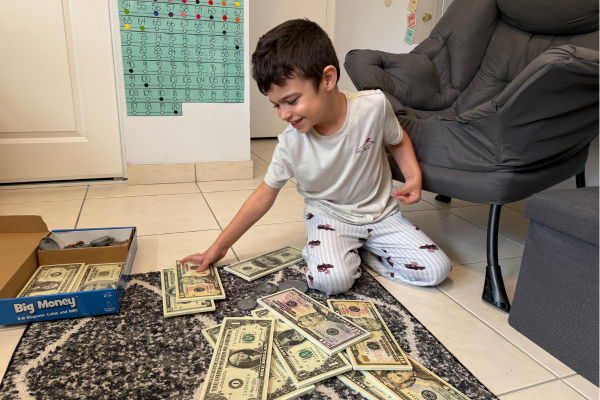
This one was hard for me. Because as a teacher, I was used to pushing through because pacing had to be maintained and standardized testing was looming. But forcing things at home, almost always backfired. I had to change my expectation of a standard school day. I’ve learned that flexibility isn’t lowering expectations—it’s meeting my child where he is.
2. Trying to Do It “Perfectly”
There is no perfect system. There is no perfect curriculum. There is no perfect day. The more I tried to create that, the more discouraged I felt. What has worked is giving my child and myself grace. Some days feel productive. Some days feel messy. Either way, I know my child’s emotional and sensory needs are being met in a loving environment where he can feel safe, seen, and heard.
If You’re Considering Homeschooling
If you’re thinking about homeschooling your neurodivergent child, here’s what I want you to know: You don’t have to recreate a classroom. You don’t have to follow someone else’s timeline. And you don’t have to have it all figured out. Start with following your child’s needs and adjust as you go. As a mom, you know them best.
We have a special place in our hearts for moms of children with autism. We’ve put together our Autism Resource Guide to connect families with local businesses across Miami who work toward the same goals of setting up neurodivergent children with autism for success.